
Opex Next Generation Automation: Revolutionizing Industries with Cutting-Edge Solutions

OPEX warehouse automation products and services Ohio central ohio columbus
Opex Next Generation Automation

In today’s fast-paced world, businesses are constantly seeking ways to improve efficiency, reduce costs, and stay ahead of the competition. Enter Opex Next Generation Automation, a leader in innovative automation solutions designed to streamline operations and drive productivity. Whether you’re in e-commerce, logistics, healthcare, or manufacturing, Opex’s state-of-the-art products are transforming the way businesses operate.

In this blog, we’ll explore Opex’s flagship products, the industries they serve, and how your business can benefit from their next-generation automation solutions.


What is Opex Next Generation Automation?

Opex Next Generation Automation specializes in advanced automation technologies that optimize workflows, enhance accuracy, and reduce operational costs. Their solutions are designed to handle complex tasks with precision, making them ideal for businesses looking to scale efficiently.

From automated sorting systems to robotic document processing, Opex’s products are engineered to meet the demands of modern industries. Their commitment to innovation and quality has made them a trusted name in automation worldwide.


Opex’s Flagship Products and What They Do

Here’s a closer look at some of Opex’s most popular automation products and how they can benefit your business:

1. Perfect Pick® Automated Storage and Retrieval System

  • What It Does: This robotic system automates the storage and retrieval of items in warehouses, distribution centers, and e-commerce fulfillment centers.
  • Key Benefits:
    • Increases order accuracy and speed.
    • Reduces labor costs and operational inefficiencies.
    • Scalable to meet growing business demands.
  • Ideal For: E-commerce, retail, and logistics industries.

2. iDEAL® Automated Document Processing Solutions

  • What It Does: Automates the sorting, scanning, and processing of documents, making it perfect for high-volume environments.
  • Key Benefits:
    • Improves document processing speed and accuracy.
    • Reduces manual labor and human error.
    • Enhances compliance and security.
  • Ideal For: Banking, healthcare, insurance, and government sectors.

3. Sure Sort® Automated Sorting System

  • What It Does: A compact, high-speed sorting solution designed for small to medium-sized items.
  • Key Benefits:
    • Maximizes space utilization in warehouses.
    • Handles high volumes with minimal downtime.
    • Integrates seamlessly with existing systems.
  • Ideal For: Parcel delivery, pharmaceuticals, and retail distribution.

4. Falcon® Red Mail Extraction System

  • What It Does: Automates the extraction of mail from envelopes, streamlining mailroom operations.
  • Key Benefits:
    • Reduces manual processing time.
    • Increases throughput and efficiency.
    • Lowers operational costs.
  • Ideal For: Financial institutions, healthcare, and government agencies.

Industries and Businesses That Can Benefit

Opex Next Generation Automation serves a wide range of industries, helping them overcome operational challenges and achieve their goals. Here’s a breakdown of the key industries that can benefit from Opex’s solutions:

1. E-Commerce and Retail

  • Challenges: High order volumes, tight delivery timelines, and inventory management.
  • Opex Solutions: Perfect Pick® and Sure Sort® systems streamline order fulfillment, reduce errors, and improve customer satisfaction.

2. Logistics and Parcel Delivery

  • Challenges: Sorting and delivering packages quickly and accurately.
  • Opex Solutions: Sure Sort® and Falcon® systems optimize sorting processes and reduce delivery times.

3. Healthcare

  • Challenges: Managing patient records, prescriptions, and medical supplies efficiently.
  • Opex Solutions: iDEAL® and Falcon® systems automate document processing and mail extraction, ensuring compliance and accuracy.

4. Banking and Financial Services

  • Challenges: Processing high volumes of checks, invoices, and customer documents.
  • Opex Solutions: iDEAL® and Falcon® systems enhance document processing speed and security.

5. Manufacturing

  • Challenges: Inventory management and supply chain efficiency.
  • Opex Solutions: Perfect Pick® and Sure Sort® systems improve inventory tracking and reduce operational bottlenecks.

Why Choose Opex Next Generation Automation?

  • Innovation: Opex is at the forefront of automation technology, constantly developing new solutions to meet industry demands.
  • Reliability: Their products are built to last, ensuring minimal downtime and maximum productivity.
  • Customization: Opex offers tailored solutions to meet the unique needs of your business.
  • Support: With a global network of experts, Opex provides exceptional customer service and technical support.

How to Get Started with Opex Automation

Ready to transform your business with Opex Next Generation Automation? Here’s how to get started:

  1. Assess Your Needs: Identify the areas of your business that could benefit from automation.
  2. Request a Demo: Contact Opex to schedule a demo of their products and see them in action.
  3. Consult with Experts: Work with Opex’s team to design a customized solution for your business.
  4. Implement and Scale: Integrate Opex’s automation systems into your operations and watch your efficiency soar.

Final Thoughts

Opex Next Generation Automation is revolutionizing industries with its cutting-edge solutions. By automating repetitive tasks, improving accuracy, and reducing costs, Opex empowers businesses to focus on growth and innovation. Whether you’re in e-commerce, healthcare, logistics, or manufacturing, Opex has the tools to help you succeed.

Take the first step toward a more efficient future. Explore Opex Next Generation Automation today and discover how their solutions can transform your business. Contact our rep today to learn more!

 

Explore More:

Emerging Technologies In Material Handling

Emerging Technologies in the Material Handling Space

Revolutionizing Material Handling: The Future of Efficiency

The material handling industry is on the verge of a transformation, driven by cutting-edge technologies like robotics, artificial intelligence, and IoT. From automated guided vehicles (AGVs) that streamline warehouse logistics to AI-powered analytics optimizing inventory management, businesses that adopt these innovations are poised to stay ahead of the competition. Whether you’re looking to reduce costs or enhance operational efficiency, these emerging technologies are reshaping the future of material handling, ensuring faster, smarter, and safer processes. Explore how these advancements can give your business the competitive edge it needs.

1. Robotics and Automation

One of the most significant technological advancements in material handling is the increasing use of robotics and automation. Automated Guided Vehicles (AGVs), Autonomous Mobile Robots (AMRs), and robotic arms are transforming the way goods are transported and managed within warehouses. These robots can efficiently handle repetitive tasks, such as picking, packing, and sorting, without human intervention.

  • AGVs and AMRs: These are now widely used in large distribution centers for transporting goods across the facility. AGVs typically follow set paths, while AMRs are more flexible, using sensors and AI to navigate and avoid obstacles.
  • Robotic Picking Systems: Advanced robotic picking systems can identify and handle different types of products with speed and precision. This technology significantly reduces the need for manual labor and minimizes human error in warehouses, enhancing productivity.

2. Artificial Intelligence (AI) and Machine Learning

AI is reshaping the landscape of material handling services by enabling smarter decision-making and predictive analytics. Machine learning algorithms can analyze massive datasets in real-time, allowing companies to optimize inventory management, predict demand, and streamline logistics operations.

  • Predictive Maintenance: AI-driven predictive maintenance is being used to monitor equipment health in real-time. By predicting when a machine is likely to fail, companies can proactively schedule maintenance, reducing downtime and extending the life of equipment.
  • Demand Forecasting: AI-powered analytics can help forecast demand patterns, enabling businesses to optimize inventory levels and reduce overstock or stockouts, thereby improving operational efficiency.


3. Internet of Things (IoT) and Smart Sensors

The Internet of Things (IoT) plays a crucial role in making warehouses smarter and more efficient. IoT-enabled sensors can provide real-time visibility into the status of goods, equipment, and operations.

  • Asset Tracking: Smart sensors and RFID tags enable real-time tracking of inventory and equipment, providing data that can be used for better inventory management, reducing loss and ensuring that goods are handled correctly.
  • Environmental Monitoring: IoT sensors can monitor environmental conditions such as temperature, humidity, and vibrations to ensure sensitive materials are stored and transported under optimal conditions.

4. Warehouse Management Systems (WMS)

A Warehouse Management System (WMS) is a software solution that helps businesses manage their warehouse operations more efficiently. Modern WMS solutions integrate seamlessly with other systems, such as Enterprise Resource Planning (ERP) software, to provide end-to-end visibility and control over inventory, order fulfillment, and labor management.

  • Real-Time Data Integration: Modern WMS solutions offer real-time data analytics and reporting, enabling warehouse managers to make informed decisions quickly.
  • Automation Integration: Advanced WMS systems can integrate with automation technologies like robotics, AGVs, and conveyor systems, optimizing the flow of goods and reducing labor costs.

5. Augmented Reality (AR) and Virtual Reality (VR)

AR and VR technologies are emerging as useful tools in material handling, particularly in training and operational efficiency. These technologies are increasingly being used in warehouse management for tasks such as inventory picking and worker training.

  • AR in Picking: AR glasses or handheld devices can guide workers through the warehouse, showing them the exact location of products and providing real-time instructions, reducing picking errors.
  • VR for Training: Virtual reality can simulate warehouse environments, enabling workers to practice tasks like forklift driving or machine operation in a safe and controlled environment before handling actual equipment.


6. Drones and Aerial Systems

Drones are being adopted for a variety of tasks in material handling, particularly for inventory management in large warehouses and distribution centers. They can be equipped with sensors and cameras to scan barcodes and RFID tags, making inventory checks faster and more accurate.

  • Inventory Management: Drones can quickly navigate large warehouses to scan inventory, saving significant time and labor costs.
  • Surveillance and Monitoring: Drones are also being used for facility surveillance, ensuring security and safety in large warehouse spaces.

Conclusion

The material handling industry is evolving rapidly with the adoption of emerging technologies. From robotics and AI to IoT and drones, these innovations are helping companies improve efficiency, reduce costs, and enhance safety. As these technologies continue to advance, businesses that invest in them will be better positioned to meet the demands of a fast-paced and ever-changing market.

For companies looking to stay competitive, now is the time to explore these cutting-edge solutions and integrate them into their material handling operations.


Browse Quantum Storage Products

Learn More About Material Handling Products


Explore More:

The Benefits of Using Quantum Storage Products for Home Offices and Work Spaces

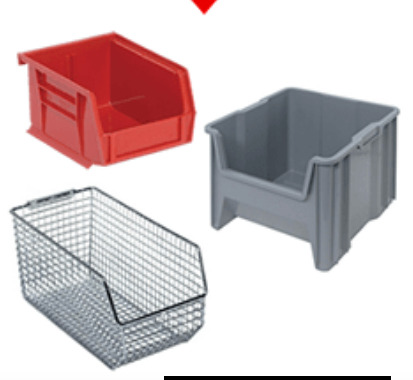
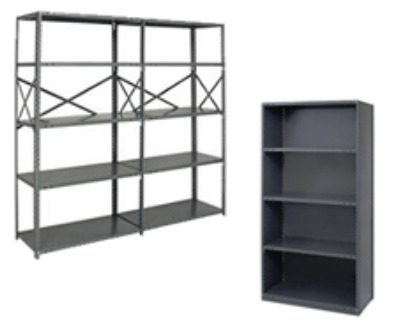
Steel shelving advantages for home office organizationIn today’s fast-paced and demanding work environment, efficient organization and storage solutions are essential for maximizing productivity and maintaining a clear and clutter-free workspace. Quantum Storage Systems, a leading provider of plastic storage containers, industrial bins, steel shelving, and wire shelving systems, offers a wide range of products designed to enhance functionality and organization in both home offices and workspace.

Benefits of Quantum Storage Products

1. Durability and Quality

Quantum Storage products are known for their durability and high-quality construction, ensuring that your storage solutions will last for years to come. Industrial bins, steel shelving, and wire shelving are designed to withstand heavy use and provide reliable storage for your various items.

2. Versatility and Customization

Quantum Storage offers a diverse range of storage solutions that can be customized to fit your specific needs. Whether you require industrial bins for storing small parts or steel shelving for organizing larger items, Quantum Storage products can be tailored to suit your space and storage requirements.

3. Space Optimization

Efficient use of space is crucial in both home offices and workspaces. Quantum Storage products are designed to maximize storage capacity while minimizing the required floor space. Steel shelving and wire shelving systems help organize items vertically, freeing up valuable floor space for other activities.

4. Ease of Access

With Quantum Storage products, access to your stored items is convenient and hassle-free. Industrial bins with clear labeling options and adjustable shelving systems make it easy to locate and retrieve items quickly, enhancing efficiency in your daily tasks.

5. Enhanced Organization

Maintaining a clutter-free and organized workspace is essential for productivity. Quantum Storage products facilitate efficient organization by providing designated storage solutions for different types of items, ensuring that everything has a designated place.

In conclusion, Quantum Storage products offer a range of benefits for both home offices and workspace, including durability, customization, space optimization, ease of access, and enhanced organization. By investing in Quantum Storage solutions, you can create a more functional and efficient environment that boosts productivity and enhances your overall work experience.

Browse Quantum Storage Products

Learn More About Material Handling Products


Explore More:

Revolutionizing Material Handling: The Impact of Blockchain Technology

In recent years, blockchain technology has emerged as a transformative force across various industries, revolutionizing processes, enhancing security, and improving efficiency. While commonly associated with cryptocurrencies, blockchain’s potential extends far beyond finance, with significant implications for material handling industries. Let’s explore how blockchain technologies can be utilized by these industries to drive innovation and streamline operations.

  1. Enhanced Supply Chain Management: Blockchain’s decentralized and immutable nature makes it ideal for supply chain management in material handling industries. By leveraging blockchain, companies can create transparent, traceable supply chains, enabling real-time tracking of products from raw materials to the end consumer. This transparency helps in reducing fraud, counterfeiting, and unauthorized modifications, ensuring the integrity of the supply chain.
  2. Smart Contracts for Automated Transactions: Smart contracts, self-executing contracts with predefined rules written in code, can automate and streamline various processes within material handling. For instance, smart contracts can facilitate automated payments upon delivery of goods, optimize inventory management, and manage contracts with suppliers and logistics partners. This automation reduces paperwork, minimizes errors, and enhances efficiency throughout the supply chain.
  3. Asset Tracking and Management: Blockchain technology can revolutionize asset tracking and management in material handling industries. By utilizing blockchain-based platforms, companies can securely record and track the ownership, maintenance history, and location of assets such as equipment, vehicles, and inventory. This real-time visibility improves asset utilization, reduces downtime, and enhances overall operational efficiency.
  4. Improved Data Security and Authentication: Data security is paramount in material handling industries, especially when dealing with sensitive information such as customer data, supply chain data, and financial transactions. Blockchain’s cryptographic algorithms and decentralized architecture provide enhanced security by protecting data integrity, preventing unauthorized access, and enabling secure authentication and identity management.
  5. Supply Chain Transparency and Compliance: Blockchain technology facilitates greater transparency and compliance within material handling supply chains. By recording transactions and data on a tamper-proof blockchain ledger, companies can demonstrate compliance with regulations, industry standards, and sustainability initiatives. This transparency also fosters trust among stakeholders, including customers, partners, and regulatory bodies.
  6. Streamlined Cross-Border Transactions: For material handling industries involved in international trade and logistics, blockchain can simplify cross-border transactions and documentation processes. Blockchain-based platforms can facilitate faster, more secure, and cost-effective international payments, reduce paperwork and delays associated with customs clearance, and ensure regulatory compliance across borders.
  7. Decentralized Marketplaces and Procurement: Blockchain enables the creation of decentralized marketplaces and procurement platforms, connecting buyers and suppliers directly without the need for intermediaries. This disintermediation reduces costs, eliminates inefficiencies, and enables more transparent and efficient procurement processes within material handling industries.

In conclusion, blockchain technology offers immense potential for transforming material handling industries by enhancing supply chain management, automating transactions, improving asset tracking, ensuring data security, promoting transparency, and streamlining cross-border operations. As companies embrace blockchain solutions, they can unlock new levels of efficiency, innovation, and competitiveness in the dynamic landscape of material handling

Explore More: